Explore how Rwanda transformed from the devastation of the Rwandan Genocide into one of Africa’s fastest-growing economies. Learn the key policies, strategies, and lessons behind Rwanda’s successful post-conflict economic recovery.
In the aftermath of the Rwandan Genocide, Rwanda experienced a near-total collapse of its economy, institutions, and social systems. However, the country’s recovery over the past three decades has become one of the most compelling economic success stories in Africa. Backed by data from the World Bank, Rwanda has consistently recorded strong GDP growth averaging between 7–8% for many years, alongside a significant reduction in poverty levels. This progress has been driven by deliberate government policies focused on rebuilding institutions, enforcing transparency, and improving the business climate. Rwanda’s strong performance in the Doing Business Report highlights its commitment to creating an environment that attracts both local and foreign investment.
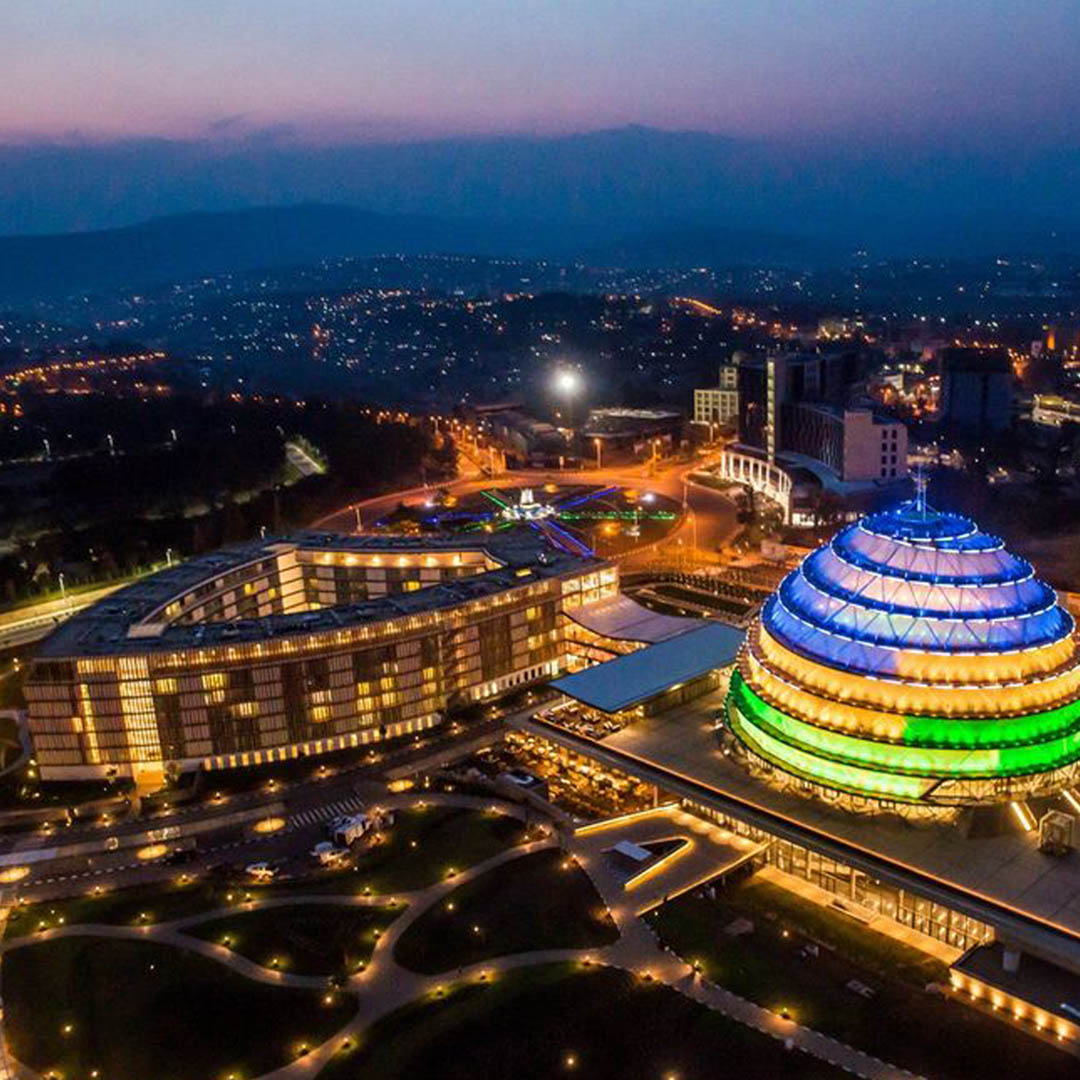
A central driver of Rwanda’s transformation is its long-term planning through frameworks such as Vision 2020 and Vision 2050. These strategies have guided the country toward economic diversification, shifting from a primarily agriculture-based economy to a more service- and knowledge-driven model. Investments in infrastructure and digital innovation have positioned Kigali as an emerging regional hub for technology and business. Additionally, Rwanda has successfully leveraged tourism—particularly conservation efforts centered on the Mountain Gorilla—to generate sustainable revenue. The expansion of mobile financial services has further boosted financial inclusion, enabling more citizens to participate in the formal economy.
Despite these achievements, Rwanda continues to face economic challenges such as a small domestic market, dependence on imports, and the need to maintain sustainable debt levels, as noted by institutions like the International Monetary Fund. These challenges, however, do not diminish the broader impact of Rwanda’s recovery model. Instead, they highlight the importance of continuous reform and strategic adaptation. Rwanda’s experience demonstrates that post-conflict nations can achieve long-term economic growth through strong leadership, clear vision, and consistent policy implementation. Its journey offers valuable lessons for other countries seeking to rebuild and transform their economies in the aftermath of conflict.